IBM Watson for Oncology
Patient Summary + Treatment Comparison
Disclaimer: To comply with my non-disclosure agreement, I have omitted and obfuscated confidential information in this case study.
Problem space
There are multilayered decisions that go into making a cancer diagnosis. An oncologists needs to be able to understand the patient’s journey through their medical history and environmental factors unique to the individual analysis. Initially, Watson just surfaced research articles that included the “keywords” to potential treatment options. However, doctors needed to be able to connect the dots to see how various pieces of information were related so that they could personalize their treatment recommendations for their patients.
We we wanted understand, How might we bring more transparency to IBM Watson so that doctors could confirm the best source of action around their patient care?
MY TEAM
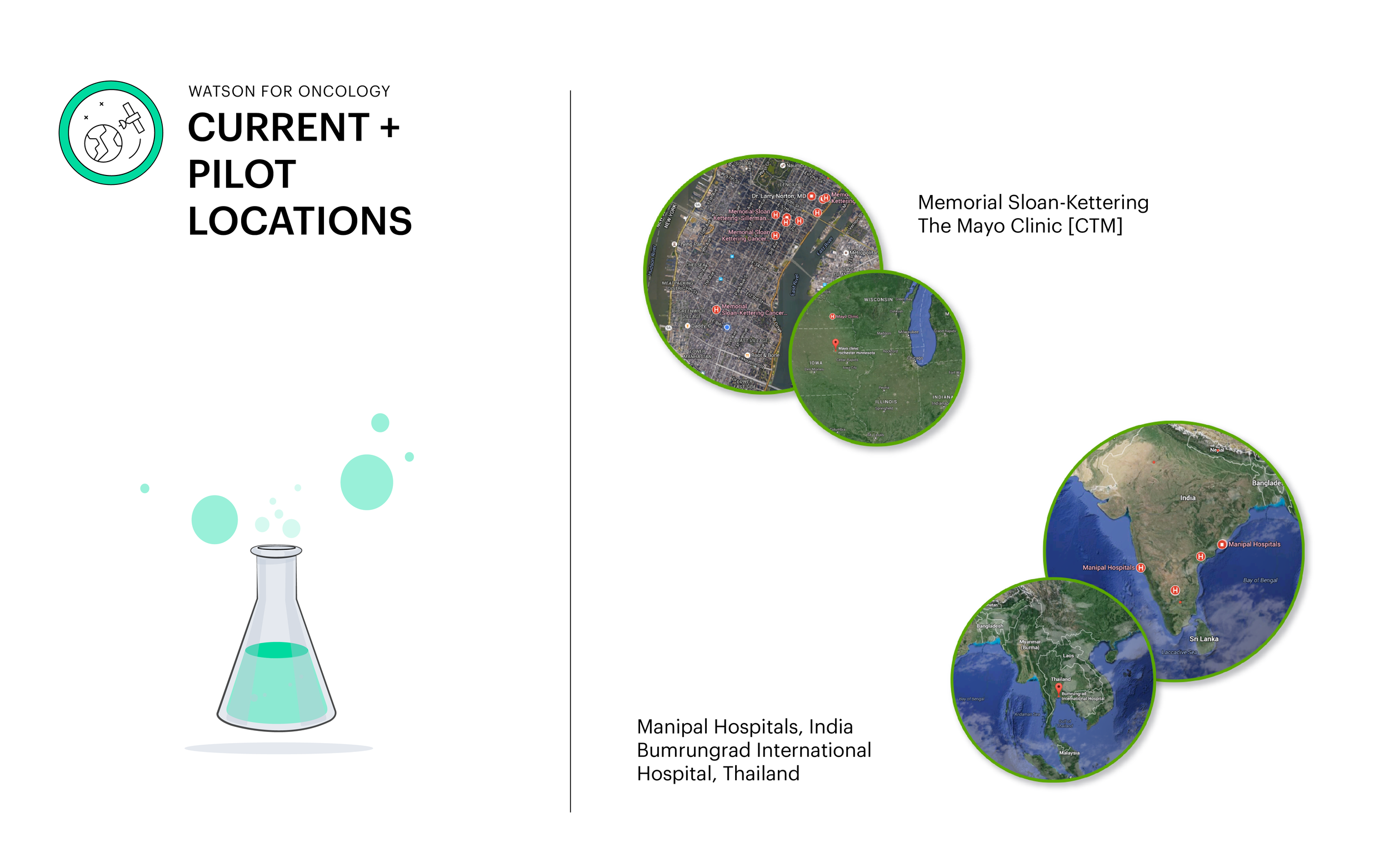
Our team engaged weekly with Stakeholder Users (Oncologists at Memorial Sloan Kettering Cancer Center), Engineers, Product Managers, Data Scientists and Researchers to showcase solution conceptualization through final design execution.
MY ROLE
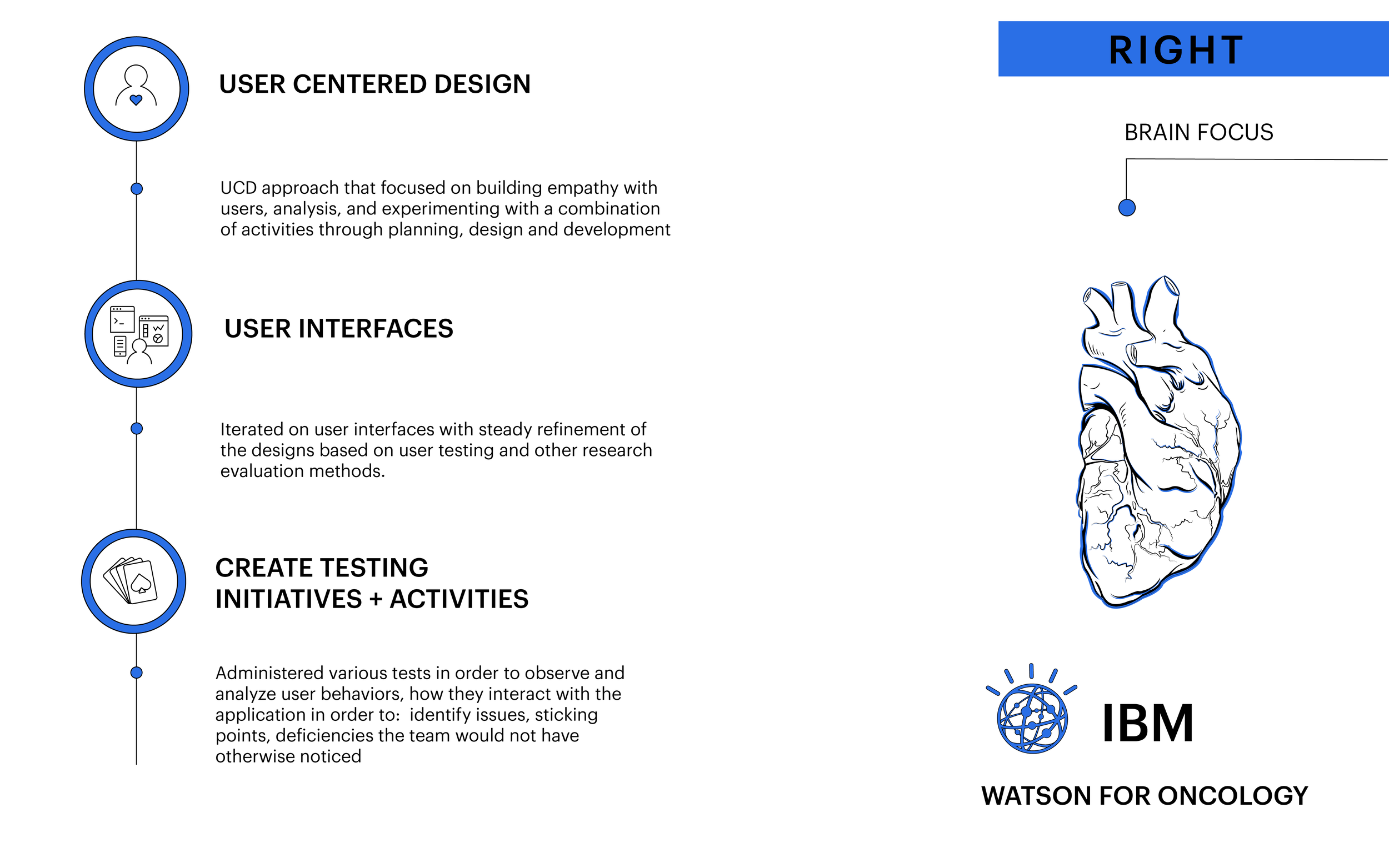
Developed deep domain and user knowledge to advocate for the importance of user-centered design. I analyzed research findings and recommendations to plan and deliver Use Cases, User Journeys,User Flow Diagrams, Navigation Structures and Information Architecture in order to optimize the User Experience of Watson for Oncology digital properties.
Design Artifacts
Personas
Empathy Map
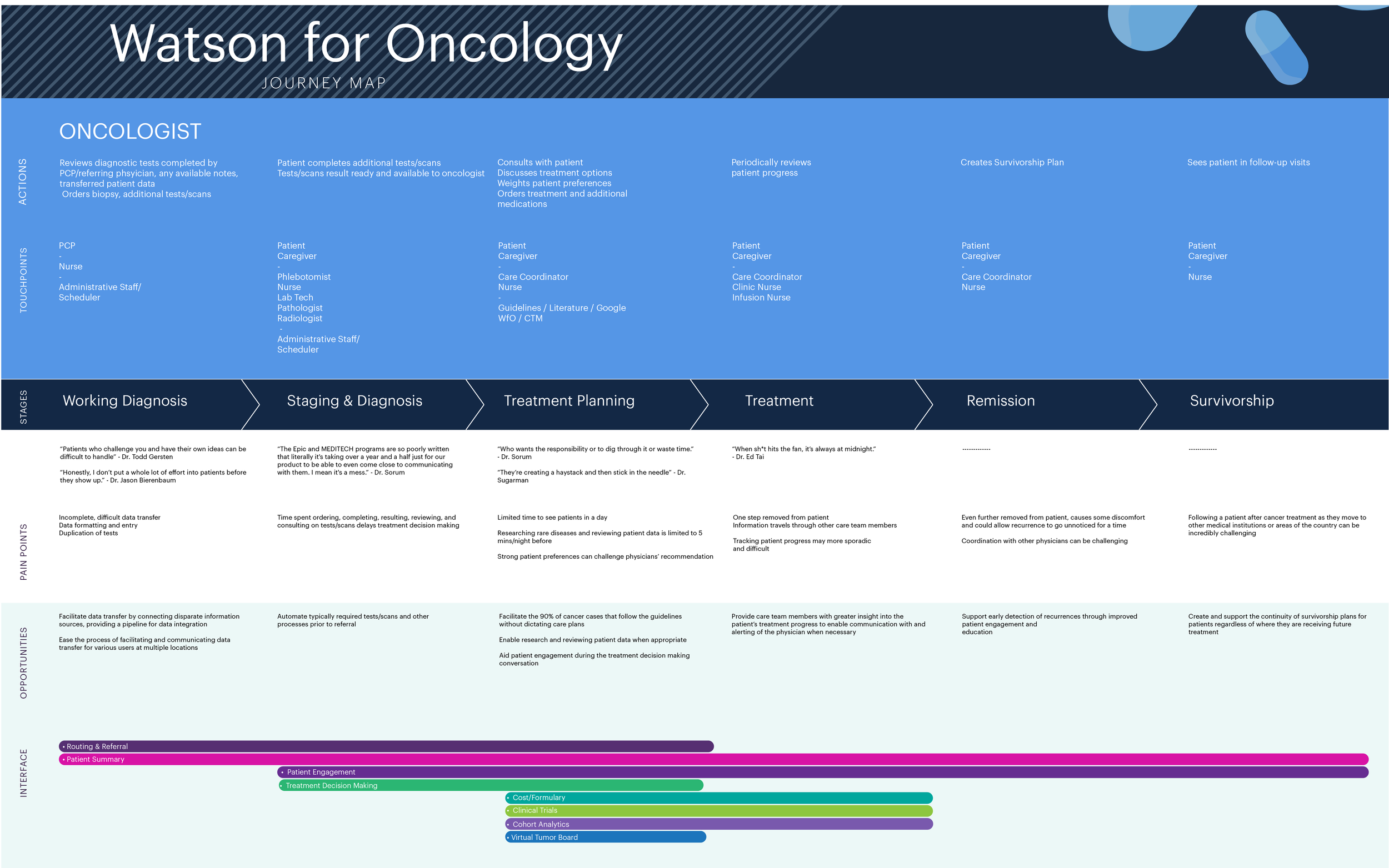
User Journey Maps
Patient Summary Wireframes
Treatment Comparison Wireframes
Treatment Comparison Prototype
MY PROCESS
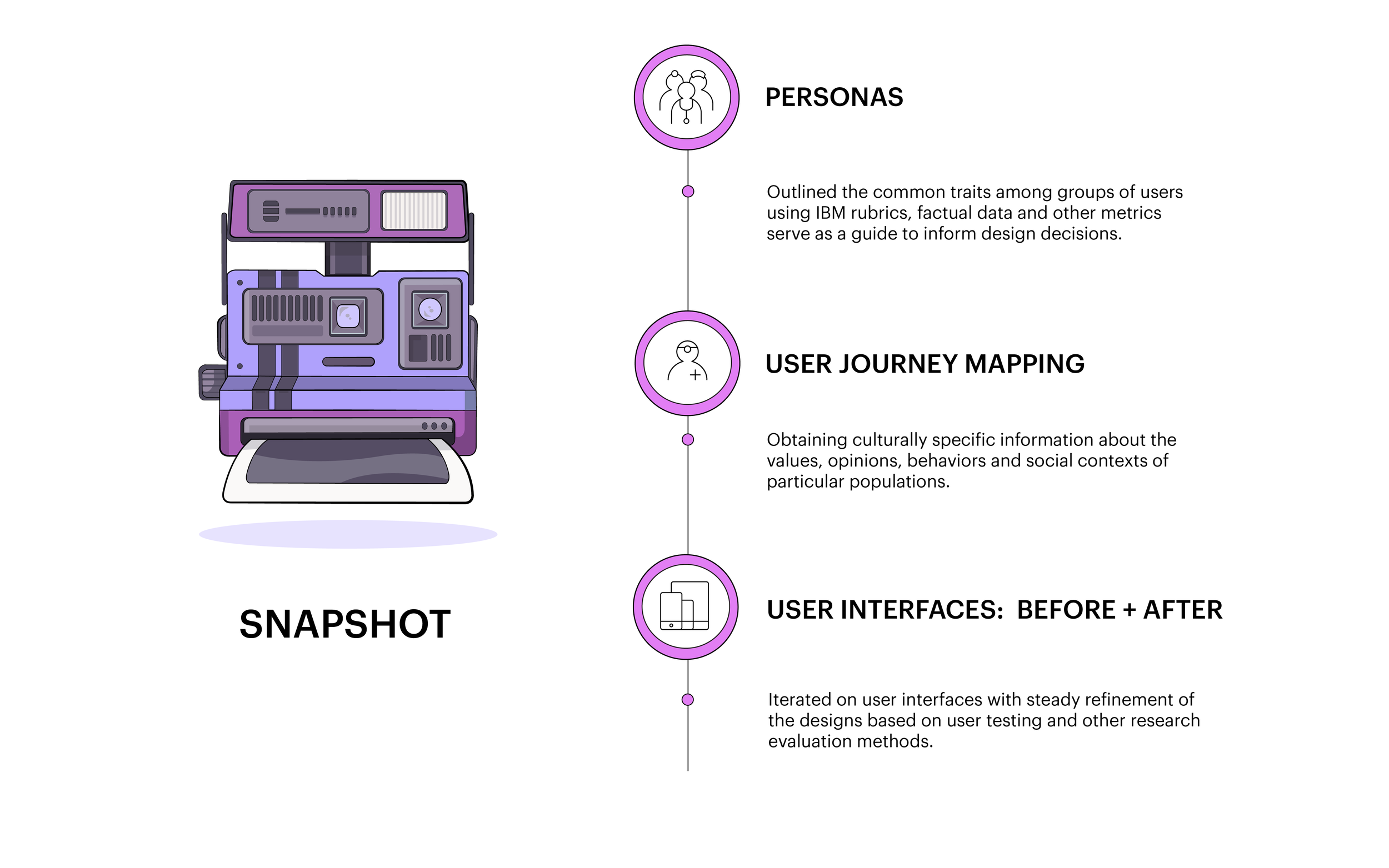
SNAPSHOT OVERVIEW
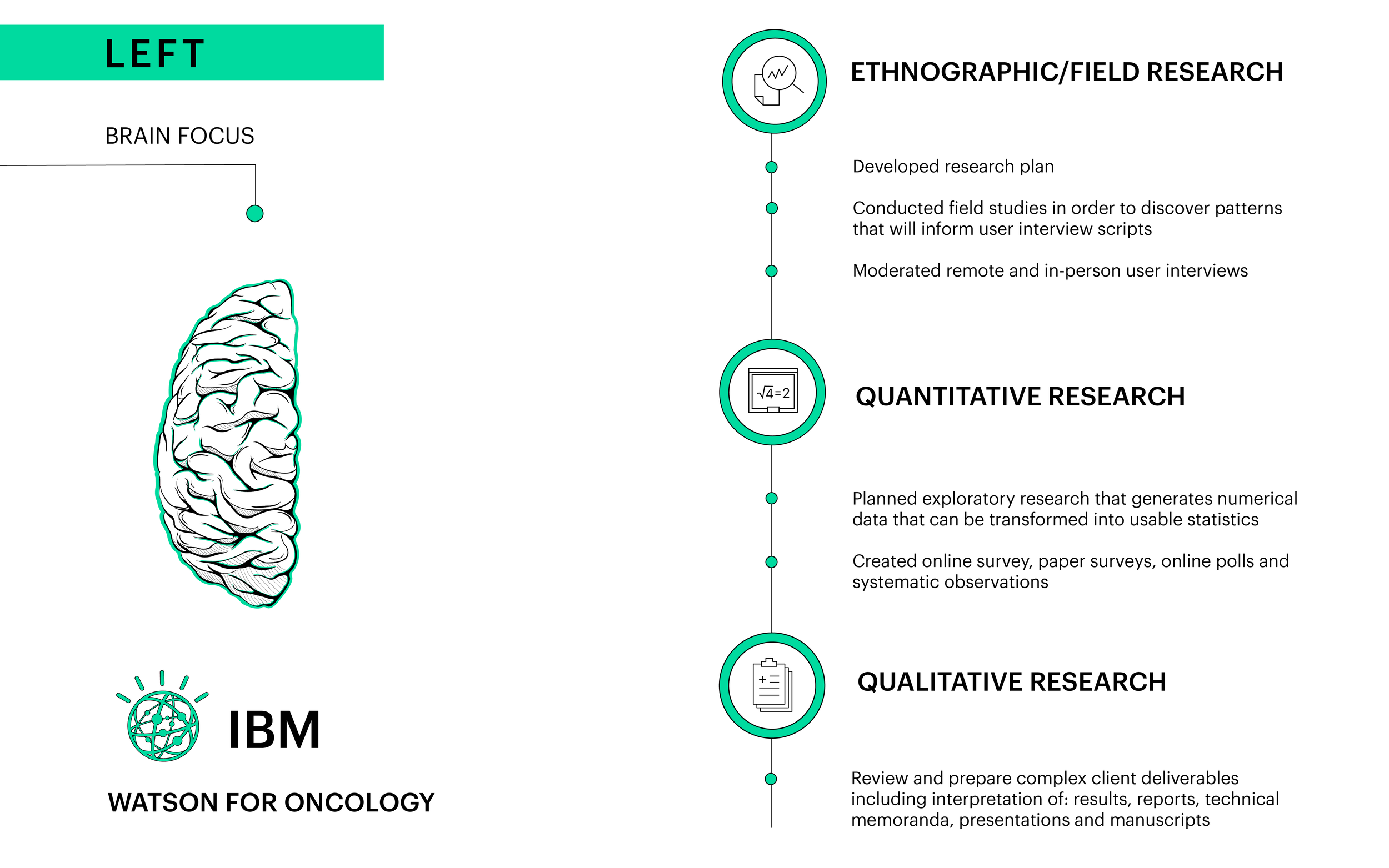
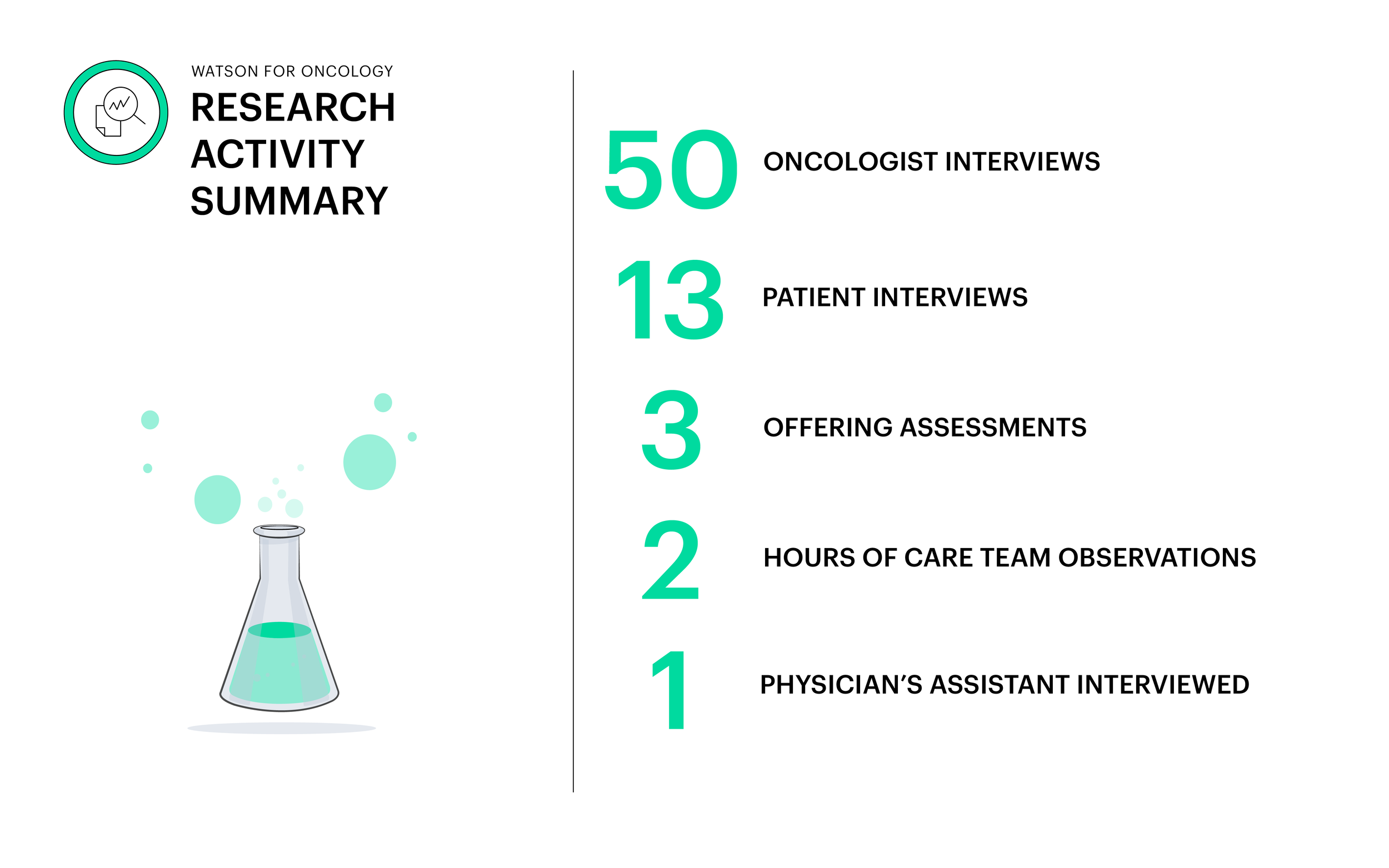
research activity summary
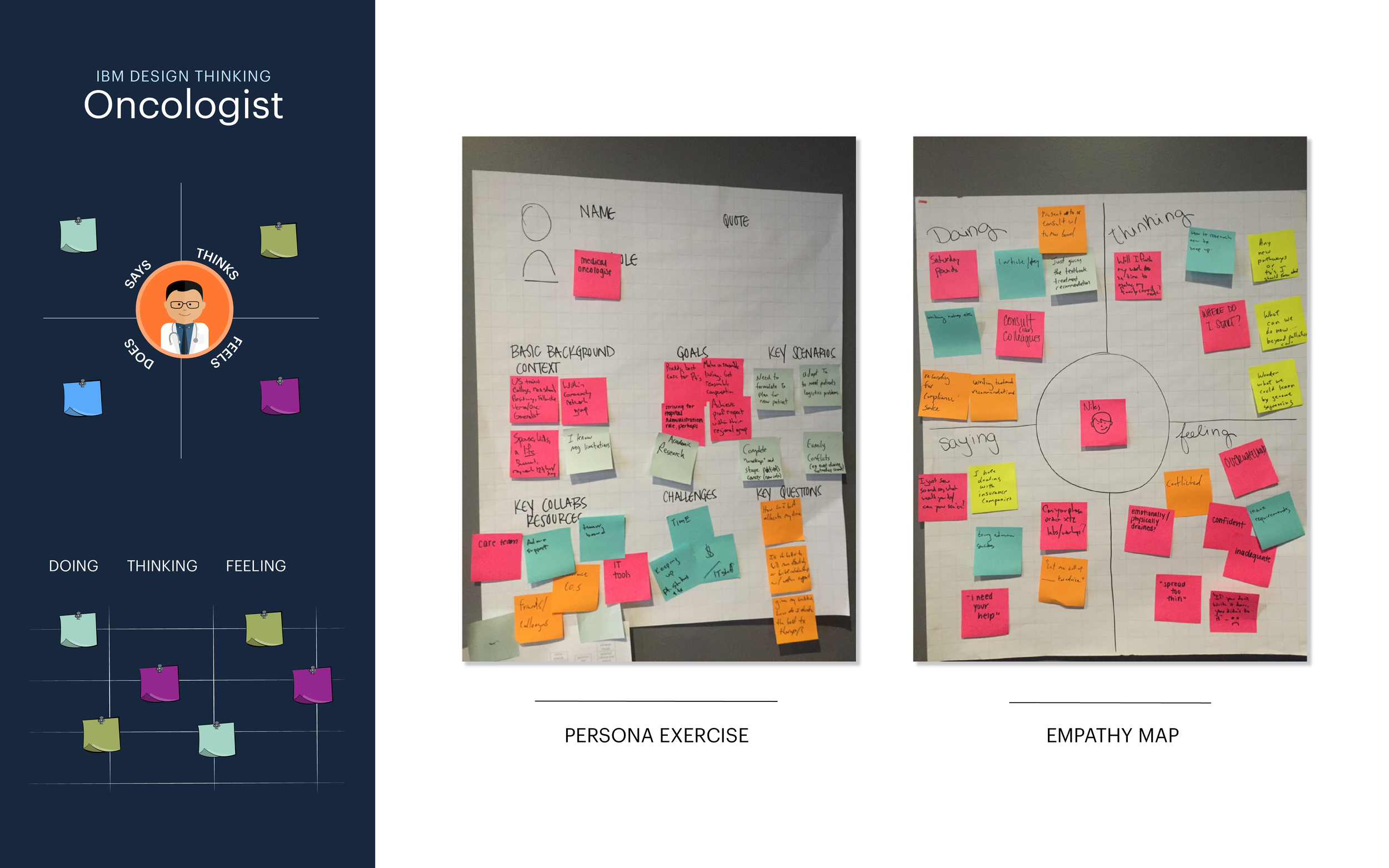
EMPATHY MAP
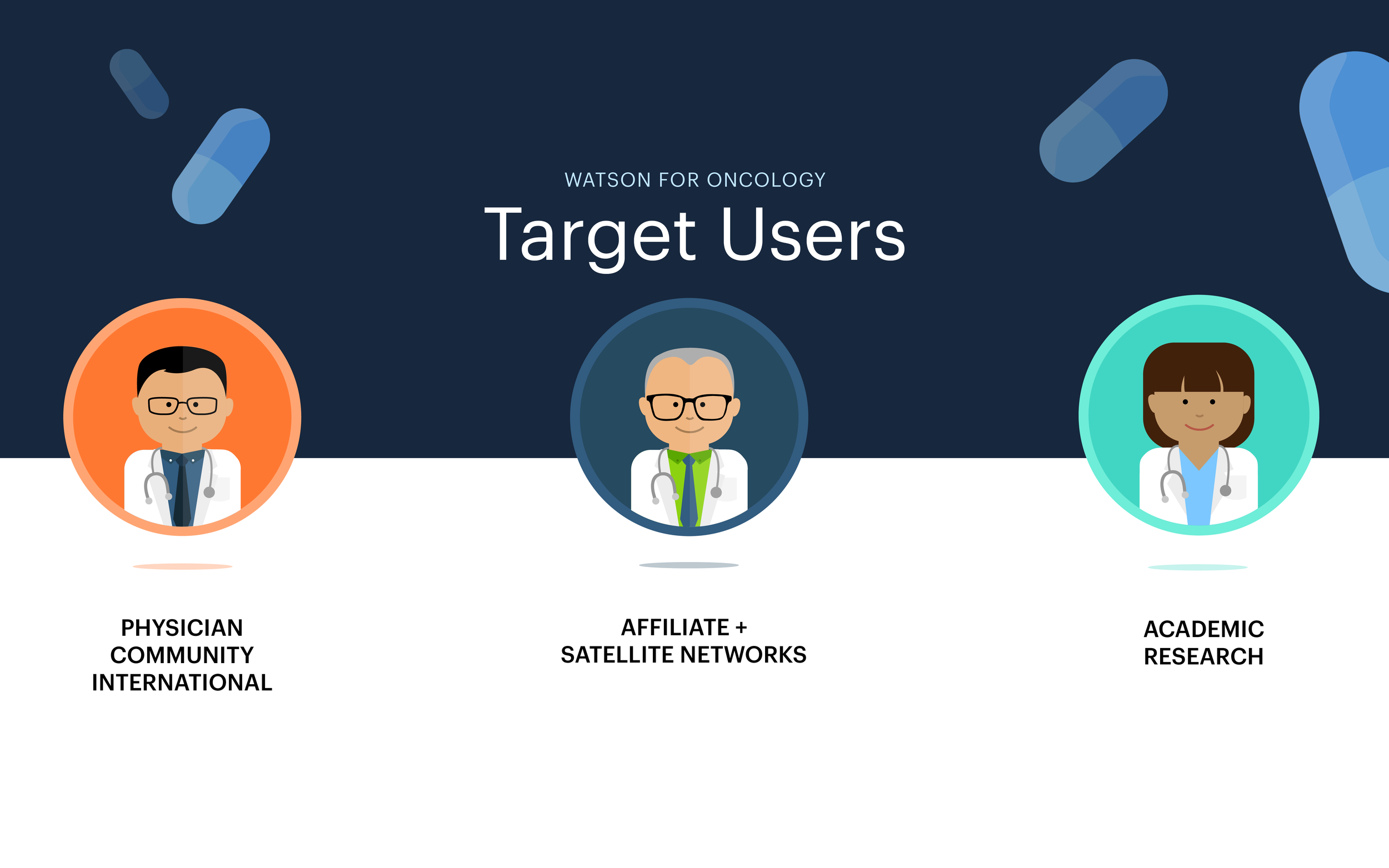
Following our research, we created personas, by utilizing empathy maps to synthesize our understandings of what our interviewees may say, do, think, or feel, at any given time during their workflow.
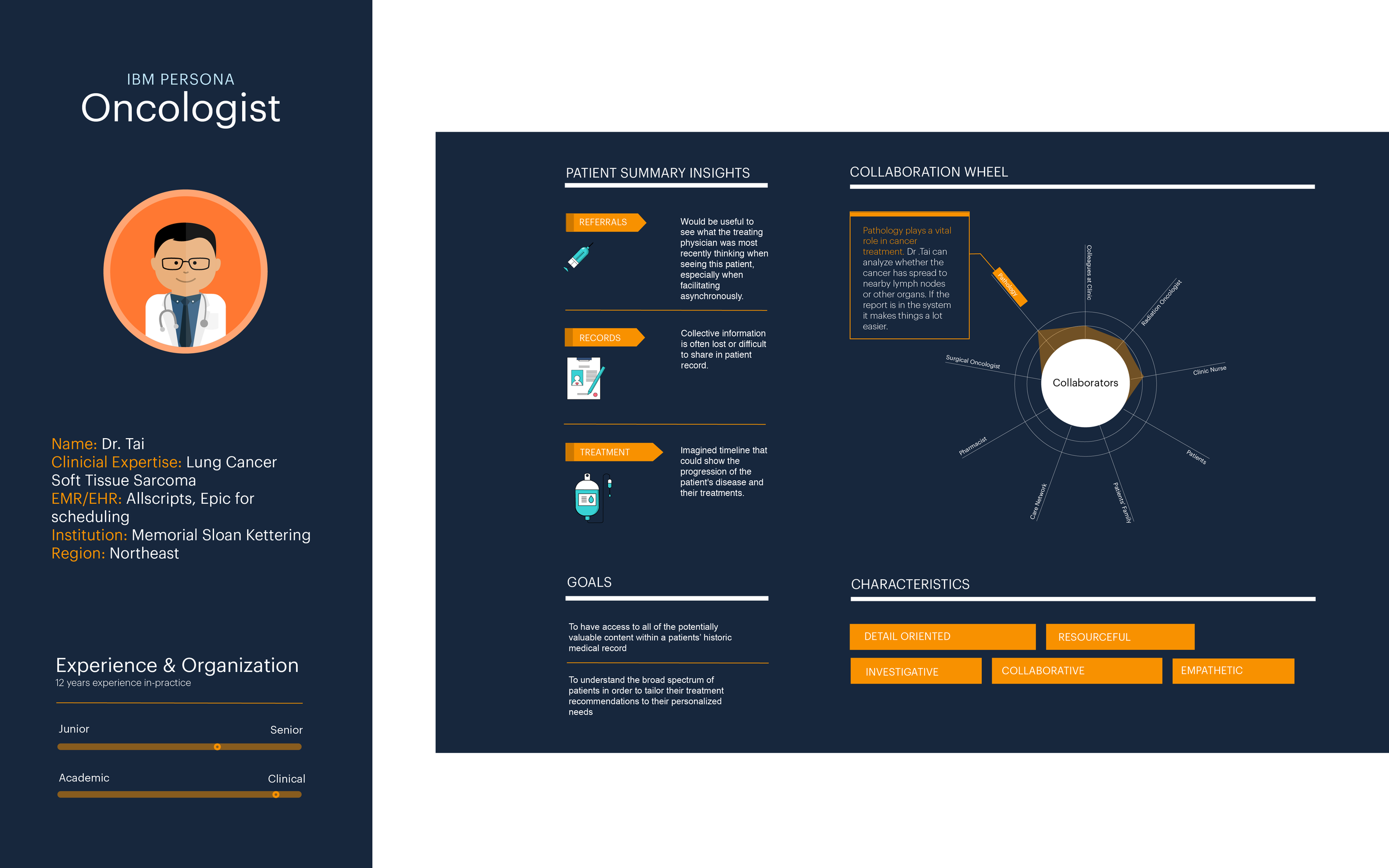
PERSONA
This allowed us to make personas, or digital illustrations of the aggregate of our interviewees, that were true to our research insights.
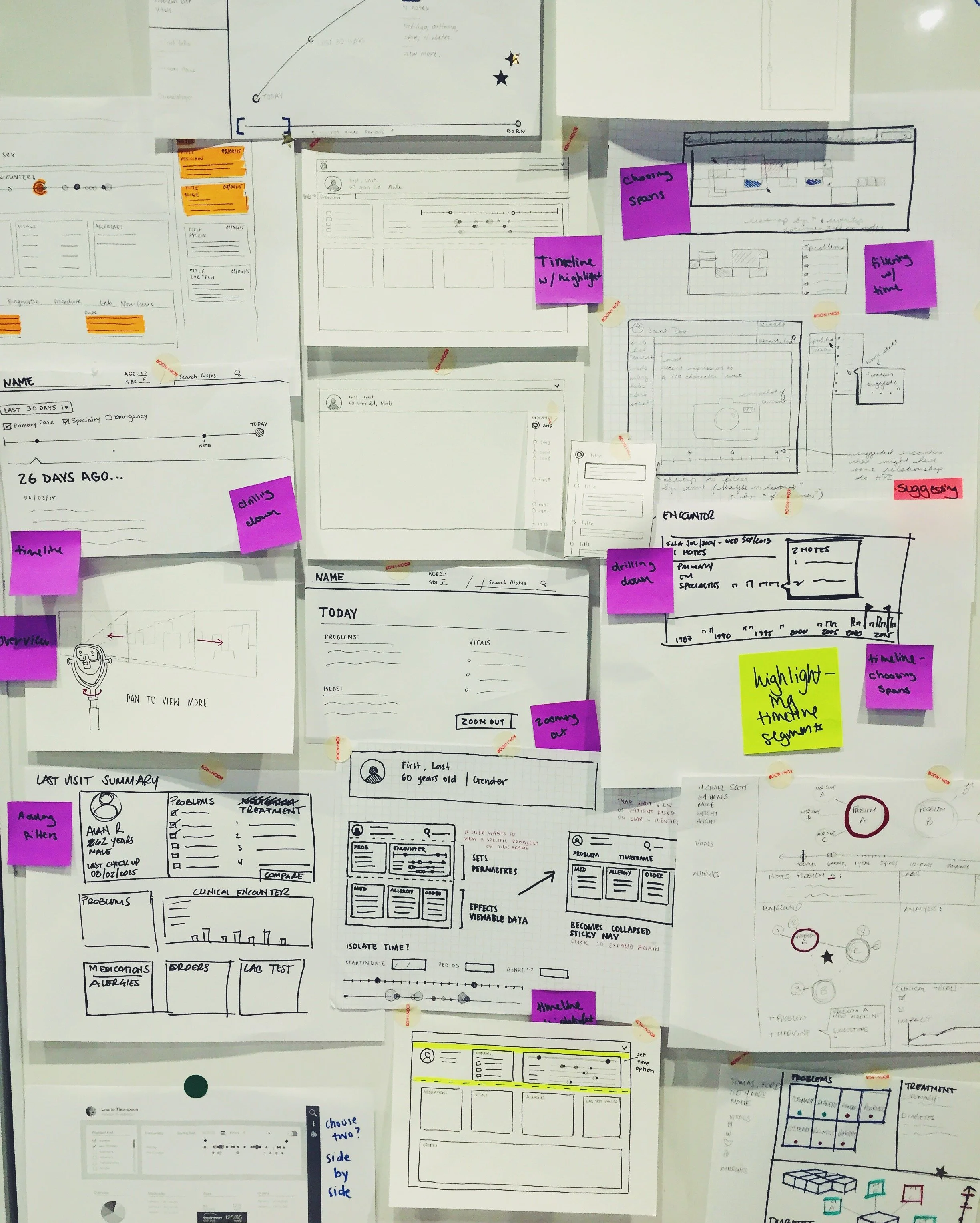
LO-FIDELITY MOCK UPS
COGNITIVE WALKTHROUGH
Following the cognitive walkthrough, we were able to develop insights into what IBM Watson’s core functionality currently is, how it’s received by clinicians, and how it could be improved.
THREE CORE CONCEPTS
Scrapbook
Scrapbook is about a perfectly curated collection of relevant moments chosen to share.
Curation
Collection
Sharing
City Viewer
The City Viewer is the idea of panning the health landscape and having the ability to zoom in on an area of interest.
Predict
Suggest
Highlight
Crystal Ball
And finally, the crystal ball is useful in using current data and genetics to highlight potential future conditions.
Direction
Focus
Magnification
Scrapbook = exogenous data
Crystal Ball = predictions
OUTCOMES
ONCOLOGist JOURNEY + Patient summary
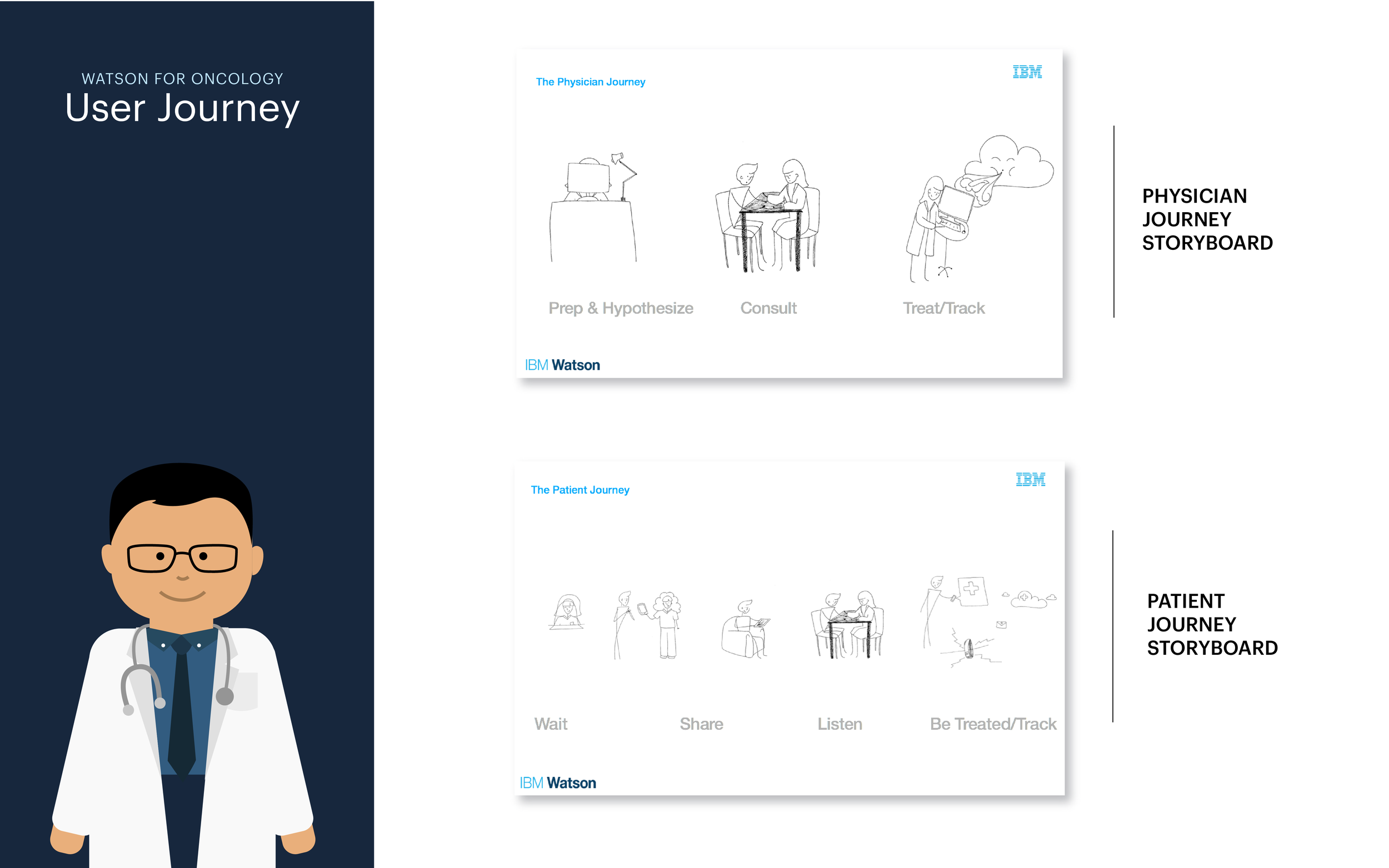
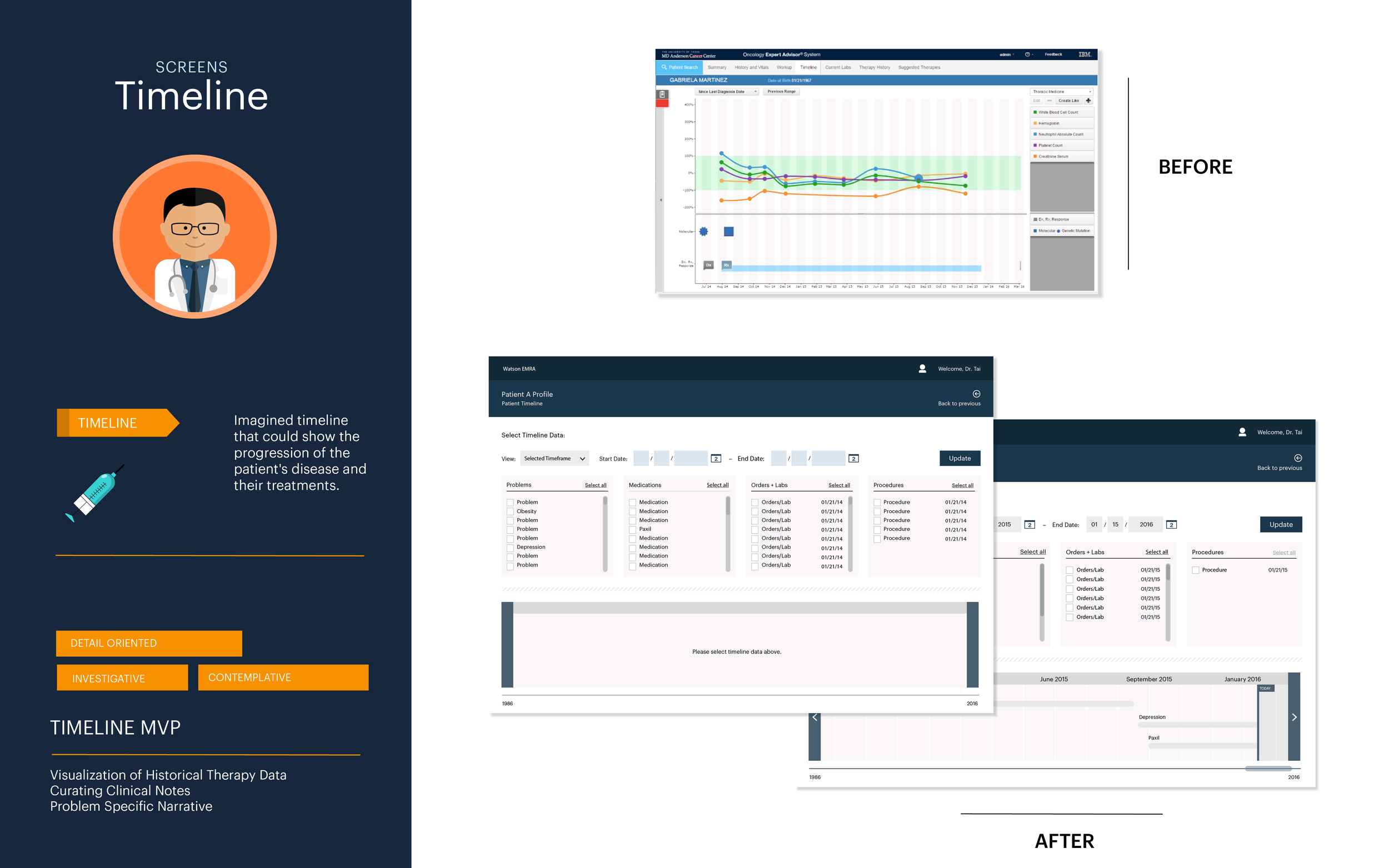
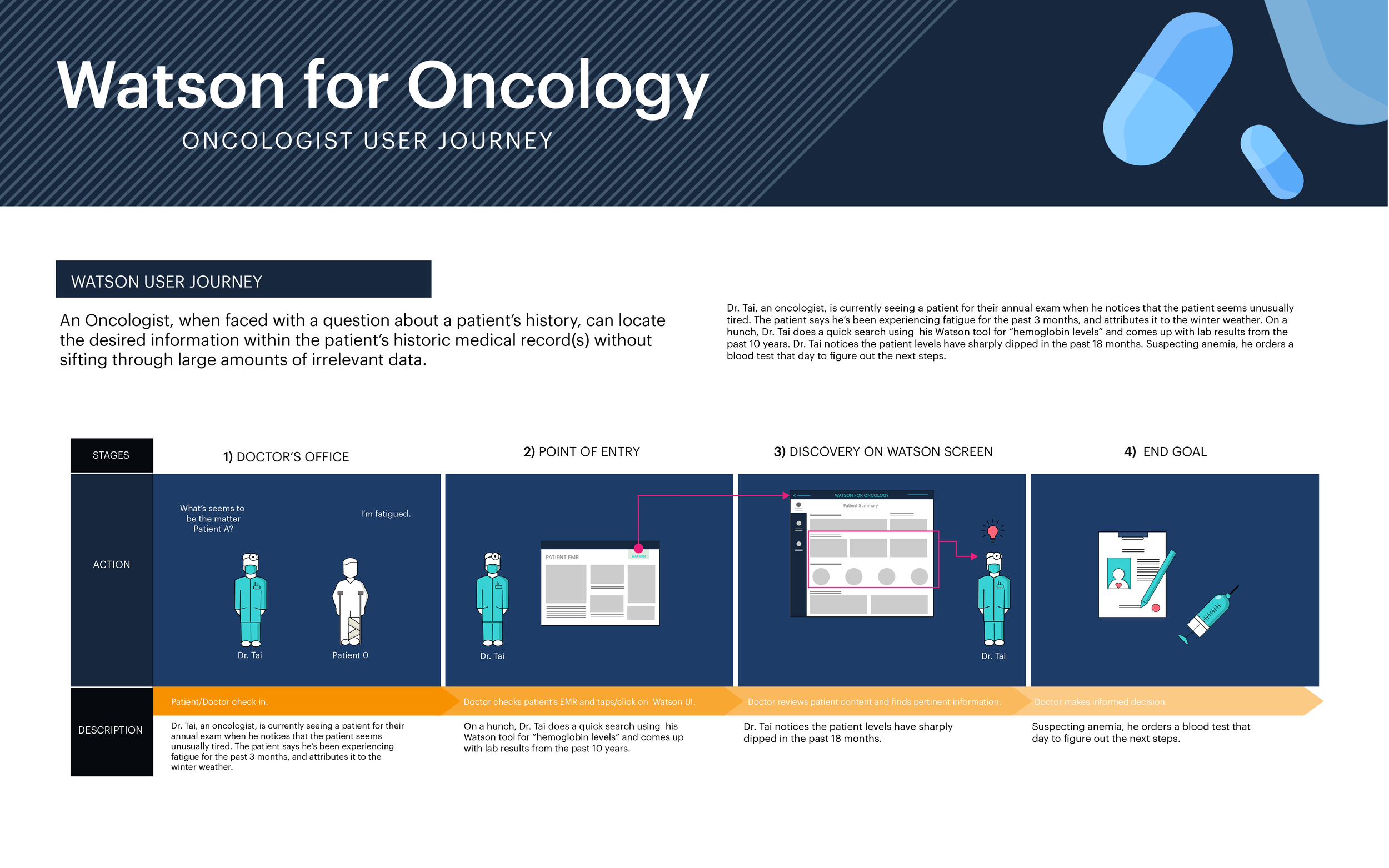
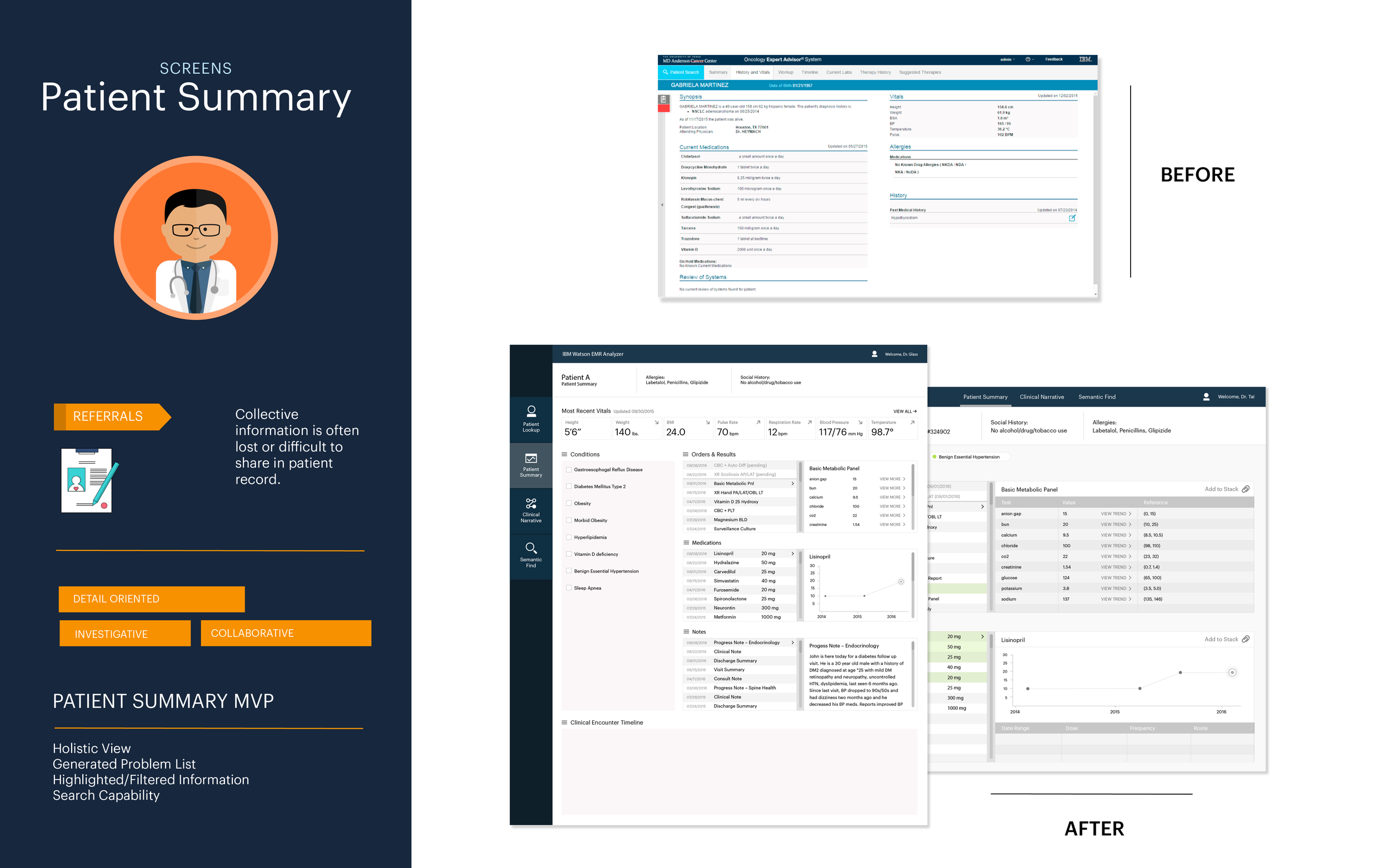
ONCOLOGist JOURNEY MAP
TREATMENT COMPARISON
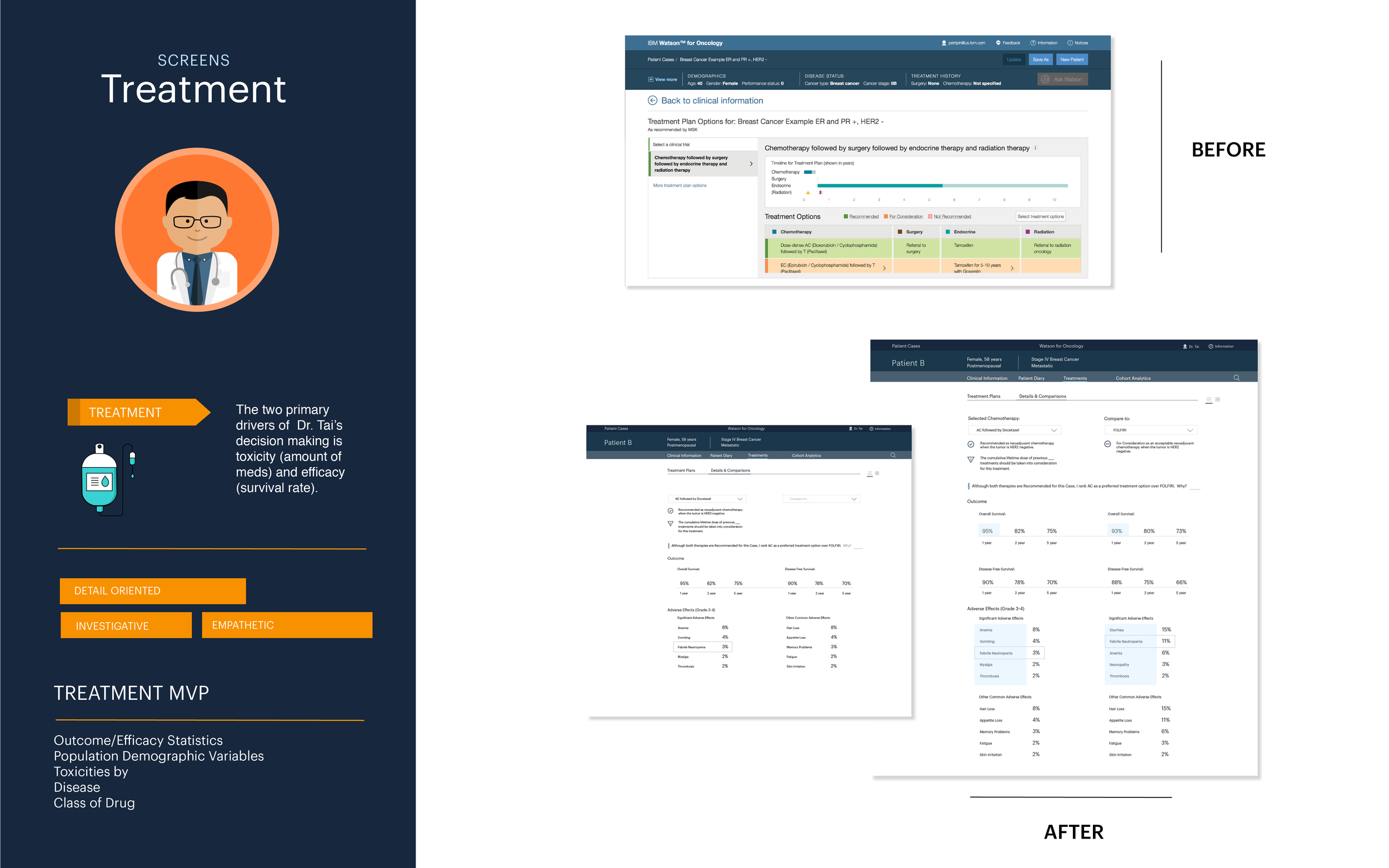
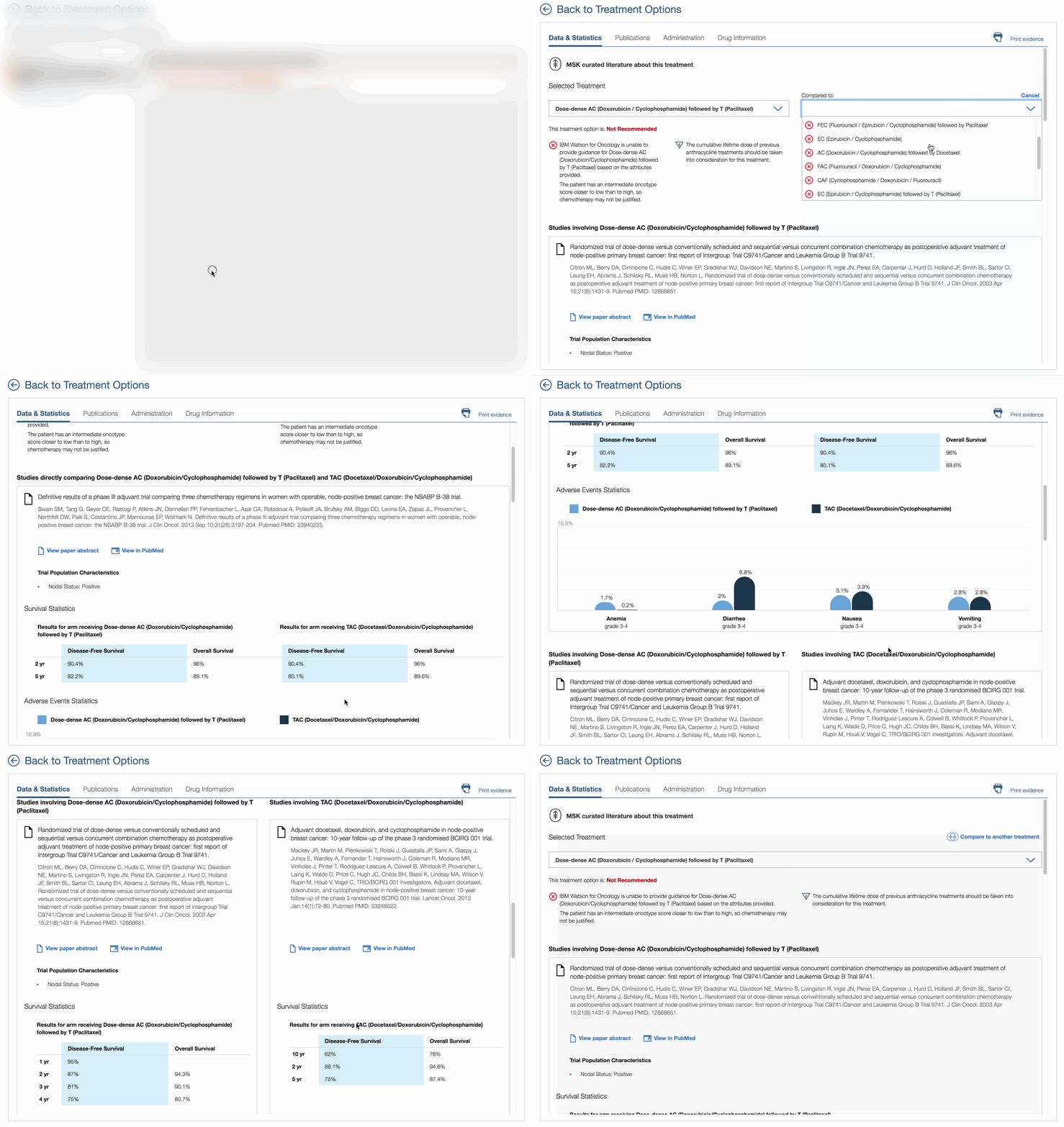
IBM Watson Treatment COMPARISON DEMO
Utilizing natural language processing software to understand written word and probabilistic algorithms, our treatment comparison demo showcased how IBM Watson could sift through pages of research articles relevant to clinicians’ queries. Initially trained in lung, breast, and colorectal cancers, early studies by Memorial Sloan Kettering, the information generated multiple possibilities for use in making personalized treatment decisions for patients.